
Is Neurostimulation the Right Option for You? What to Know About Neurostimulation Therapy

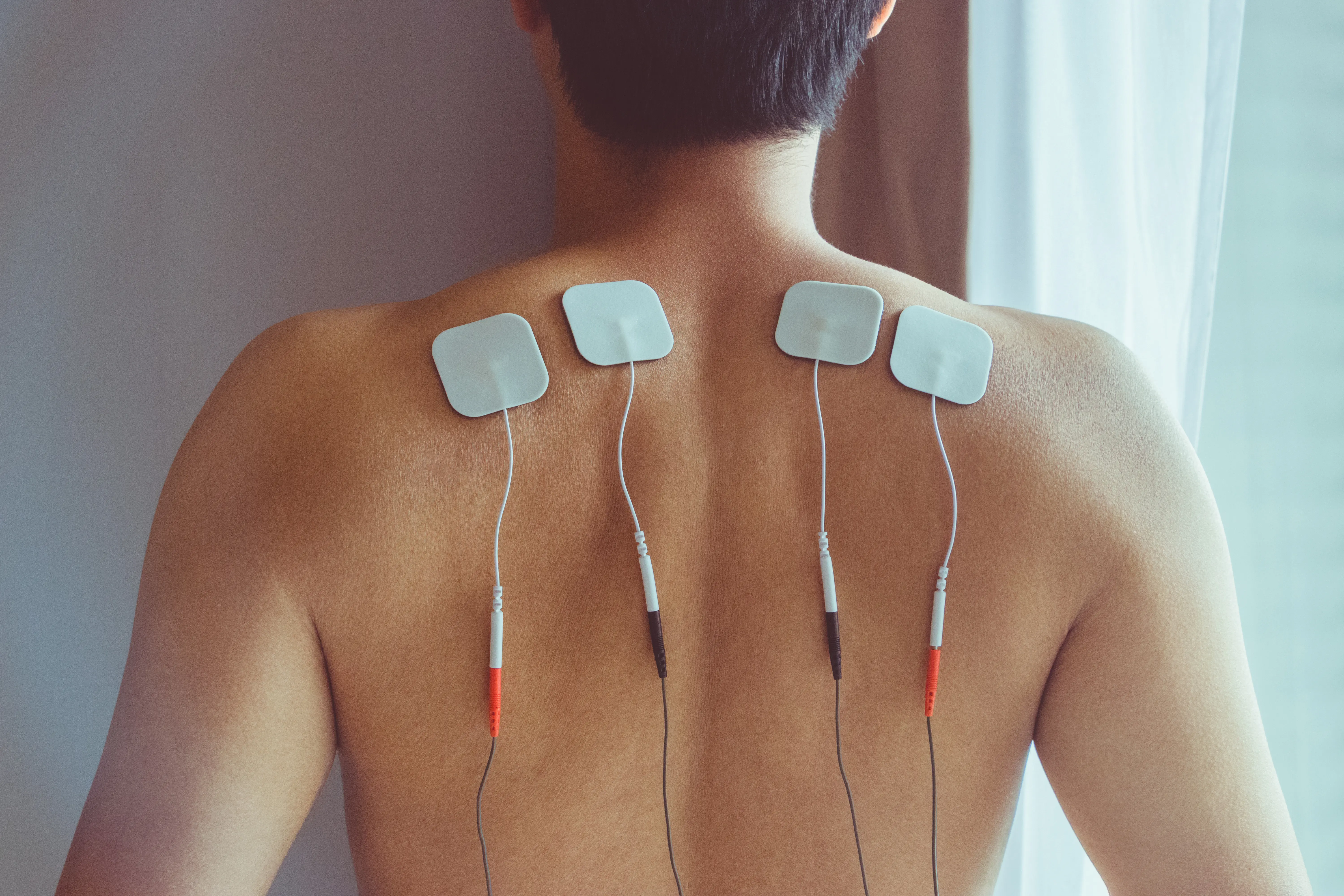
Chronic pain can be difficult to manage, especially when traditional treatments such as medication, physical therapy, or injections no longer provide lasting relief. For many individuals living with nerve-related pain, neurostimulation therapy offers a promising solution that targets pain at its source without the need for major surgery.
At Meta Sports & Pain Management in San Diego, neurostimulation therapy is used to help patients reduce chronic pain, restore function, and improve quality of life. Understanding how this treatment works and who may benefit from it can help you determine whether it is the right next step in your pain management journey.
What Is Neurostimulation Therapy?
Neurostimulation therapy, also called spinal cord stimulation or nerve stimulation, uses mild electrical pulses to interrupt pain signals traveling from the nerves to the brain. By altering the way the nervous system processes pain, neurostimulation reduces the intensity and frequency of symptoms.
A small device is implanted under the skin and connected to thin wires placed near the spine or targeted nerves. The device sends controlled electrical impulses that replace pain sensations with a more comfortable feeling, often described as gentle tingling or vibration.
This therapy does not eliminate the cause of pain, but it significantly reduces how strongly the brain interprets discomfort.
How Neurostimulation Helps Manage Chronic Pain
Chronic pain is often related to nerve dysfunction, irritation, or abnormal pain signaling. Neurostimulation helps:
• Interrupt pain pathways
• Reduce nerve hypersensitivity
• Improve mobility and function
• Reduce reliance on medication
• Provide consistent, long-term relief
Many patients who have struggled with chronic pain for years find that neurostimulation allows them to resume daily activities with greater comfort and confidence.
Conditions Treated With Neurostimulation Therapy
Neurostimulation can help manage several chronic pain conditions, including:
• Lower back pain
• Sciatica and nerve compression
• Failed back surgery syndrome (FBSS)
• Complex regional pain syndrome (CRPS)
• Neuropathic pain
• Pain caused by spinal stenosis
• Nerve damage following injury or surgery
• Chronic leg pain or radiculopathy
Because this treatment targets nerve-related pain, it is often recommended when conservative treatments have not provided meaningful relief.
Who Is a Good Candidate for Neurostimulation?
Neurostimulation therapy may be right for you if:
• You’ve experienced chronic pain for more than six months
• Pain limits your daily activities, sleep, or mobility
• Other treatments such as physical therapy, injections, or medications have not been effective
• Imaging shows nerve involvement or structural issues
• You want a non-opioid, long-term pain management solution
• You want to avoid or delay major surgery
One of the biggest advantages of neurostimulation is the trial phase, which allows patients to test the therapy before committing to the permanent implant.
How the Trial Phase Works
Before the device is implanted, patients undergo a trial period to ensure neurostimulation will provide effective relief. During the trial:
- Temporary leads are placed near the spine or targeted nerves.
- A small external device delivers electrical pulses.
- Patients monitor their pain levels over several days.
- If pain relief is significant, a permanent device may be recommended.
This step allows patients to make an informed decision with real-world results.
What to Expect During the Procedure
The permanent neurostimulation procedure is minimally invasive and typically performed under local anesthesia or light sedation. Your provider will:
- Place the leads in the targeted area using imaging guidance.
- Implant a small generator under the skin, often near the hip or abdomen.
- Customize the device settings to match your needs.
Most patients return home the same day, and the recovery period is usually short.
Benefits of Neurostimulation Therapy
Neurostimulation offers several significant benefits, especially for patients with nerve-related pain:
• Long-term reduction in chronic pain
• Minimally invasive treatment with quick recovery
• Reduced need for medications
• Improved mobility and daily function
• Increased ability to participate in physical therapy
• Adjustable programming for personalized relief
• Reversible and adjustable treatment option
Because the device can be fine-tuned, patients can work closely with their provider to ensure optimal comfort and function.
How Neurostimulation Fits Into a Comprehensive Pain Plan
Neurostimulation is often part of a broader, personalized treatment plan. Many patients benefit from combining neurostimulation with:
• Physical therapy
• Injection therapies
• Medication management
• Acupuncture
• Strengthening programs
• Lifestyle modifications
Comprehensive care ensures that both the nervous system and musculoskeletal system are supported.
When Neurostimulation May Not Be the Best Option
While neurostimulation is effective for many, it may not be recommended if:
• Pain is not nerve-related
• There is an active infection
• You cannot undergo a trial period
• Imaging does not support lead placement
• Symptoms are mild or respond to conservative care
A thorough evaluation helps determine whether this therapy is appropriate for your condition.
Neurostimulation Therapy in San Diego, CA
If you're ready to explore long-term relief for chronic nerve-related pain, schedule your consultation for Neurostimulation Therapy in San Diego, CA today.
Read More Blogs!
Stay updated with the latest blog posts and engage with our community.